Package Slayer - São Paulo, Brazil
Language
EN
  • PT
  • ES
  • EN
Currencies
EUR - €
  • USD - US$
  • EUR - €
  • GBP - £
  • BRL - R$

Don’t have an account? Sign up now!
Cannot access your account?

Slayer Allianz Parque – São Paulo, Brazil

Visiting now: 3
A Package has already been SOLD!!
Package with High Demand!
93 people have viewed this package.

Choose the type of service

1

Choose your package

View all packages and choose again

Choose the additional services

Payment methods and coupon

Promocode / Discount Coupon

Slayer
SLAYER
Slayer
SLAYER
Slayer
SLAYER
Slayer
SLAYER

More information about the Package

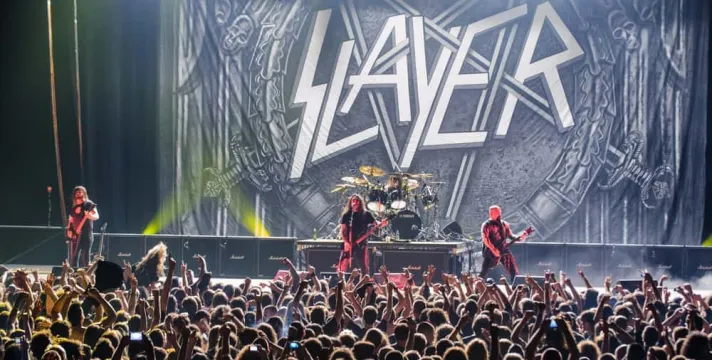
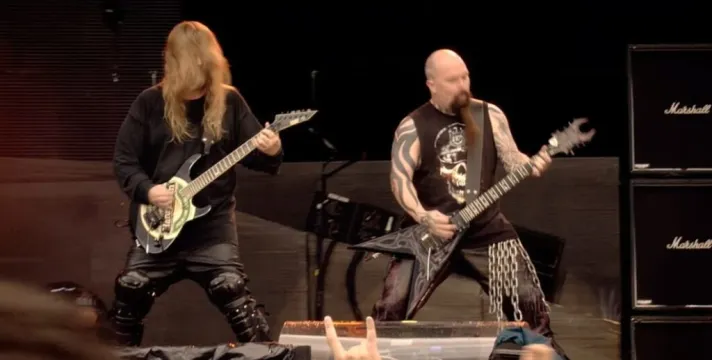
Slayer was one of the most influential, extreme, and controversial bands in the history of heavy metal. Formed in 1981 in Huntington Park, a city in the Los Angeles metropolitan area of California, the band emerged during a period of major transformation in heavy music, when new styles sought greater speed, aggression, and technical intensity than traditional heavy metal had previously offered. The group was founded by guitarists Kerry King and Jeff Hanneman, bassist and vocalist Tom Araya, and drummer Dave Lombardo. This classic lineup would become one of the most respected and recognizable in metal history, helping to define the standards of thrash metal alongside other bands commonly associated with the “Big Four,” which also includes Metallica, Megadeth, and Anthrax.

From its earliest years, Slayer attracted attention through an exceptionally aggressive musical approach. While many bands of the era still maintained strong influences from hard rock and classic heavy metal, Slayer embraced faster tempos, razor-sharp guitar riffs, chaotic yet effective guitar solos, and lyrics that explored dark themes such as war, violence, death, serial killers, religion, fanaticism, and the darker aspects of human nature. This combination helped create a unique identity that generated both admiration and controversy throughout the band's career.

The band's debut album, “Show No Mercy,” released in 1983, introduced a group still heavily influenced by the New Wave of British Heavy Metal, particularly bands such as Iron Maiden and Judas Priest. However, it already displayed the speed and aggression that would become Slayer’s defining characteristics. The album earned a loyal underground following and allowed the band to expand its reputation through relentless touring and energetic live performances.

Over the following years, Slayer evolved rapidly. “Hell Awaits,” released in 1985, featured more complex songwriting, a heavier sound, and an even darker atmosphere. The album is frequently cited as one of the recordings that helped pave the way for more extreme genres such as death metal and black metal. However, it was the release of “Reign in Blood” in 1986 that elevated Slayer to legendary status. Produced by Rick Rubin, the album is widely regarded by critics, musicians, and fans as one of the greatest metal records ever created. Lasting just over thirty minutes, it delivers an intense and uncompromising listening experience filled with blistering speed and precision, including the iconic track “Angel of Death,” which became one of the band's most recognized and debated songs.

“Reign in Blood” had a profound impact on the evolution of heavy music. Its combination of speed, technical execution, and sheer brutality established new standards for metal bands around the world. Numerous artists from a variety of extreme metal genres have acknowledged the album’s influence on their own work. Even decades after its release, it remains a benchmark against which many aggressive metal albums are measured.

Following this landmark achievement, Slayer released several other highly acclaimed records, including “South of Heaven” in 1988 and “Seasons in the Abyss” in 1990. These albums demonstrated the band's ability to balance aggression with musical sophistication, incorporating slower and more atmospheric passages without sacrificing intensity. Many songs from this era became permanent staples of the band's live performances and helped expand its fan base internationally.

During the 1990s, the music industry underwent significant changes with the rise of grunge, alternative rock, and other emerging styles. Despite these shifts, Slayer maintained its relevance by continuing to release albums and perform extensively around the world. The band experienced lineup changes, particularly involving drummer Dave Lombardo, who left and rejoined the group at various points throughout its history. Nevertheless, Slayer consistently preserved its distinctive sound and its reputation as one of the most powerful live acts in heavy metal.

The visual identity of Slayer also played a significant role in its career. The band frequently incorporated imagery and themes related to war, religion, historical conflicts, and violence. This often led to public debate and controversy, especially among individuals who interpreted the lyrics and imagery literally. The band members repeatedly stated that their intention was artistic exploration rather than endorsement of the subjects portrayed in their music. Even so, controversy remained a constant companion throughout much of the group's existence.

One of the most difficult moments in Slayer’s history occurred in 2013 with the death of Jeff Hanneman at the age of forty-nine. In addition to being a founding member, Hanneman was one of the band’s principal songwriters and was responsible for many of its most important compositions. His passing represented a tremendous loss not only for Slayer but also for the global metal community. Gary Holt, best known for his work with Exodus, had already been performing with the band and eventually assumed a permanent role in the lineup.

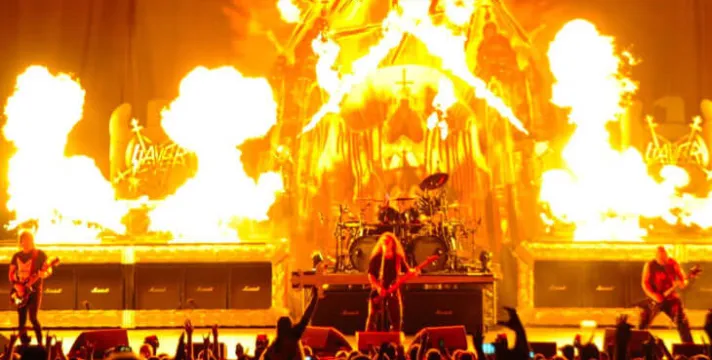
Despite this tragedy, Slayer continued to perform and record for several more years. In 2018, the band announced its farewell tour, marking the beginning of the end of a career that had spanned more than three decades. The final concerts attracted massive audiences and served as a celebration of the band's historical importance. For many fans, these performances symbolized the closing chapter of one of the most significant eras in metal history.

Slayer’s legacy is enormous. The band influenced countless artists across thrash metal, death metal, black metal, metalcore, and numerous other subgenres. Its aggressive style, technical musicianship, uncompromising attitude, and willingness to explore controversial themes helped redefine the boundaries of heavy music. Even after the conclusion of its regular activities, Slayer’s recordings continue to be discovered and appreciated by new generations of listeners around the world.

More than simply a successful band, Slayer became a cultural phenomenon within the metal community. Its story represents the evolution of an underground group that achieved worldwide recognition without abandoning the characteristics that originally set it apart. Over the course of more than thirty years, the band built a highly respected discography, participated in defining moments of metal history, and established a reputation based on intensity, consistency, and artistic impact. For these reasons, Slayer remains one of the most important, influential, and enduring names ever to emerge from the world of heavy metal music.

Event Name: Slayer

When does it happens?: 17/12/2026 ~ 17/12/2026

Where does it take place?: Allianz Parque – São Paulo, Brazil


Venue

Notes

Slayer was one of the most influential, extreme, and controversial bands in the history of heavy metal. Formed in 1981 in Huntington Park, a city in the Los Angeles metropolitan area of California, the band emerged during a period of major transformation in heavy music, when new styles sought greater speed, aggression, and technical intensity than traditional heavy metal had previously offered. The group was founded by guitarists Kerry King and Jeff Hanneman, bassist and vocalist Tom Araya, and drummer Dave Lombardo. This classic lineup would become one of the most respected and recognizable in metal history, helping to define the standards of thrash metal alongside other bands commonly associated with the “Big Four,” which also includes Metallica, Megadeth, and Anthrax.

From its earliest years, Slayer attracted attention through an exceptionally aggressive musical approach. While many bands of the era still maintained strong influences from hard rock and classic heavy metal, Slayer embraced faster tempos, razor-sharp guitar riffs, chaotic yet effective guitar solos, and lyrics that explored dark themes such as war, violence, death, serial killers, religion, fanaticism, and the darker aspects of human nature. This combination helped create a unique identity that generated both admiration and controversy throughout the band's career.

The band's debut album, “Show No Mercy,” released in 1983, introduced a group still heavily influenced by the New Wave of British Heavy Metal, particularly bands such as Iron Maiden and Judas Priest. However, it already displayed the speed and aggression that would become Slayer’s defining characteristics. The album earned a loyal underground following and allowed the band to expand its reputation through relentless touring and energetic live performances.

Over the following years, Slayer evolved rapidly. “Hell Awaits,” released in 1985, featured more complex songwriting, a heavier sound, and an even darker atmosphere. The album is frequently cited as one of the recordings that helped pave the way for more extreme genres such as death metal and black metal. However, it was the release of “Reign in Blood” in 1986 that elevated Slayer to legendary status. Produced by Rick Rubin, the album is widely regarded by critics, musicians, and fans as one of the greatest metal records ever created. Lasting just over thirty minutes, it delivers an intense and uncompromising listening experience filled with blistering speed and precision, including the iconic track “Angel of Death,” which became one of the band's most recognized and debated songs.

“Reign in Blood” had a profound impact on the evolution of heavy music. Its combination of speed, technical execution, and sheer brutality established new standards for metal bands around the world. Numerous artists from a variety of extreme metal genres have acknowledged the album’s influence on their own work. Even decades after its release, it remains a benchmark against which many aggressive metal albums are measured.

Following this landmark achievement, Slayer released several other highly acclaimed records, including “South of Heaven” in 1988 and “Seasons in the Abyss” in 1990. These albums demonstrated the band's ability to balance aggression with musical sophistication, incorporating slower and more atmospheric passages without sacrificing intensity. Many songs from this era became permanent staples of the band's live performances and helped expand its fan base internationally.

During the 1990s, the music industry underwent significant changes with the rise of grunge, alternative rock, and other emerging styles. Despite these shifts, Slayer maintained its relevance by continuing to release albums and perform extensively around the world. The band experienced lineup changes, particularly involving drummer Dave Lombardo, who left and rejoined the group at various points throughout its history. Nevertheless, Slayer consistently preserved its distinctive sound and its reputation as one of the most powerful live acts in heavy metal.

The visual identity of Slayer also played a significant role in its career. The band frequently incorporated imagery and themes related to war, religion, historical conflicts, and violence. This often led to public debate and controversy, especially among individuals who interpreted the lyrics and imagery literally. The band members repeatedly stated that their intention was artistic exploration rather than endorsement of the subjects portrayed in their music. Even so, controversy remained a constant companion throughout much of the group's existence.

One of the most difficult moments in Slayer’s history occurred in 2013 with the death of Jeff Hanneman at the age of forty-nine. In addition to being a founding member, Hanneman was one of the band’s principal songwriters and was responsible for many of its most important compositions. His passing represented a tremendous loss not only for Slayer but also for the global metal community. Gary Holt, best known for his work with Exodus, had already been performing with the band and eventually assumed a permanent role in the lineup.

Despite this tragedy, Slayer continued to perform and record for several more years. In 2018, the band announced its farewell tour, marking the beginning of the end of a career that had spanned more than three decades. The final concerts attracted massive audiences and served as a celebration of the band's historical importance. For many fans, these performances symbolized the closing chapter of one of the most significant eras in metal history.

Slayer’s legacy is enormous. The band influenced countless artists across thrash metal, death metal, black metal, metalcore, and numerous other subgenres. Its aggressive style, technical musicianship, uncompromising attitude, and willingness to explore controversial themes helped redefine the boundaries of heavy music. Even after the conclusion of its regular activities, Slayer’s recordings continue to be discovered and appreciated by new generations of listeners around the world.

More than simply a successful band, Slayer became a cultural phenomenon within the metal community. Its story represents the evolution of an underground group that achieved worldwide recognition without abandoning the characteristics that originally set it apart. Over the course of more than thirty years, the band built a highly respected discography, participated in defining moments of metal history, and established a reputation based on intensity, consistency, and artistic impact. For these reasons, Slayer remains one of the most important, influential, and enduring names ever to emerge from the world of heavy metal music.


Our services and how to purchase


All service offers for the event Slayer are provided by companies with years of experience in tourism, whether they are transport, receptive or hotel companies.


Payment methods vary from: in cash to installments with or without credit card, reaching up to 12 installments of equal value, depending on the start date of your trip.


To purchase the package for Slayer is very simple, the first step is to register on our website and after validating your account, access our website logged in and follow the step by step:


  • 1º Step - Select the Number of Passengers;
  • 2º Step - Select Package Type; ranging from simple packages such as BUS TRIP, HOTELS and SHUTTLE to more complex trips the EXPERIENCE with several services already included in a single package.
  • 3º Step – Choose Day or days of the event, festival or show you wish to attend.

After this selection of items, our system will search and present what we currently have available based on your choice.


Depending on your Package choices, additional services may still appear, such as: tickets, travel insurance, local transfers, among several other services offered by our providers, which can be contracted individually for each passenger in your purchase.


Just follow the step by step and customize your package, until the final payment step.


Still have questions about our packages?


Our service channels are always open to clarify your doubts before making your purchase through our Contact Form , Email or Whatsapp.


Slayer

Slayer Allianz Parque – São Paulo, Brazil