Package Deep Purple - São Paulo, Brazil
Language
EN
  • PT
  • ES
  • EN
Currencies
EUR - €
  • USD - US$
  • EUR - €
  • GBP - £
  • BRL - R$

Don’t have an account? Sign up now!
Cannot access your account?

Deep Purple Suhai Music Hall – São Paulo, Brazil

Visiting now: 3
66 people have viewed this package.

Choose the type of service

1

Choose your package

View all packages and choose again

Choose the additional services

Payment methods and coupon

Promocode / Discount Coupon

DEEP PURPLE
DEEP PURPLE
DEEP PURPLE
DEEP PURPLE
DEEP PURPLE
DEEP PURPLE
DEEP PURPLE
DEEP PURPLE
DEEP PURPLE
DEEP PURPLE

More information about the Package

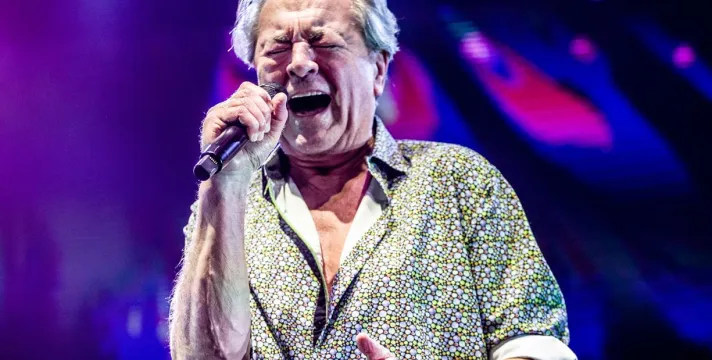
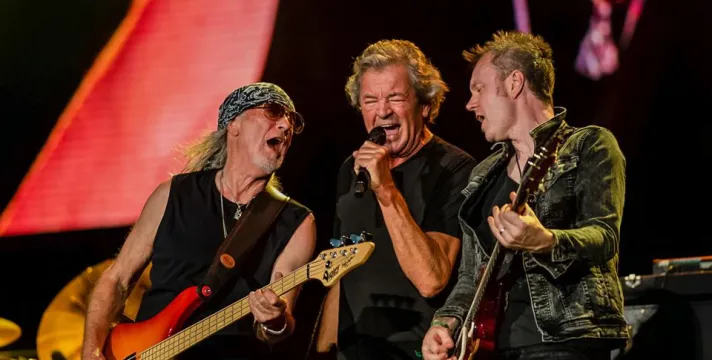
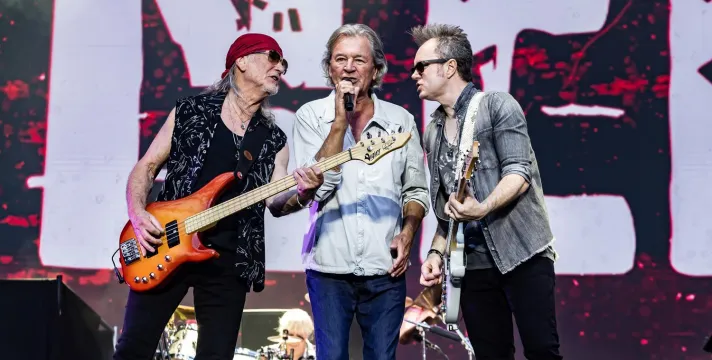
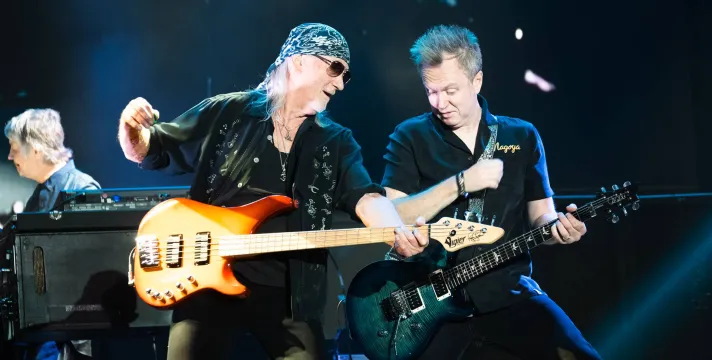
Deep Purple is one of the most important and influential bands in the history of rock music. Formed in 1968 in England, the group became a cornerstone of hard rock and heavy metal, helping to shape the sound of heavier rock in the decades that followed. Alongside bands such as Led Zeppelin and Black Sabbath, Deep Purple is often cited as one of the pioneers of the genre, influencing countless musicians and bands around the world.

The original lineup included Ritchie Blackmore on guitar, Jon Lord on keyboards, Ian Paice on drums, Rod Evans on vocals, and Nick Simper on bass. From the beginning, the band stood out for blending psychedelic rock, classical music, and blues influences with a heavier and more aggressive sound. This combination helped establish a unique identity, especially due to Jon Lord’s prominent Hammond organ and Ritchie Blackmore’s virtuosic guitar work.

In the early years, Deep Purple released albums that were still searching for a more defined identity. The band gained early attention with songs such as “Hush,” one of their first commercial successes. However, it was after significant lineup changes that the group reached its artistic and commercial peak. In 1969, Rod Evans and Nick Simper left the band and were replaced by Ian Gillan on vocals and Roger Glover on bass. This lineup became known as “Mark II” and is widely regarded as the most classic and influential version of the band.

With Ian Gillan and Roger Glover, Deep Purple’s sound became heavier, more technical, and more aggressive. The 1970 album “In Rock” marked a major turning point in the band’s career and is often considered one of the foundational records of hard rock. It featured powerful vocals, intense performances, and extended instrumental sections, setting a standard that would strongly influence heavy metal in later years. Ian Gillan became known for his exceptional vocal range, while Ritchie Blackmore solidified his reputation as one of rock’s most talented guitarists.

In the following years, the band released a series of highly influential albums. “Fireball” (1971) continued expanding their heavy and experimental sound. However, it was in 1972 that Deep Purple reached one of the highest points in their career with the album “Machine Head.” This record is considered a rock classic and includes some of the band’s most iconic songs, especially “Smoke on the Water.”

“Smoke on the Water” became one of the most famous rock songs ever recorded, largely due to its simple yet unforgettable guitar riff. The song was inspired by a real event that occurred during a Frank Zappa concert in Montreux, Switzerland, when a fire broke out at the casino where Deep Purple planned to record part of the album. The smoke over Lake Geneva inspired the title. Ritchie Blackmore’s riff became one of the most recognizable in music history and is often one of the first songs learned by guitar players.

Alongside “Smoke on the Water,” “Machine Head” also featured other major tracks such as “Highway Star” and “Lazy.” The album established Deep Purple as one of the biggest rock bands in the world. The group became known not only for its studio recordings but also for its extremely energetic and technically impressive live performances, often featuring long improvisations.

The live album “Made in Japan” (1972) is widely considered one of the greatest live records in rock history. It captured the intensity and musicianship of the band on stage and further strengthened their global reputation. Many fans and critics regard this period as the creative peak of Deep Purple.

Despite their success, internal tensions began to grow. Personality clashes and musical disagreements created friction within the group. In 1973, Ian Gillan and Roger Glover left the band. They were replaced by David Coverdale on vocals and Glenn Hughes on bass and vocals. This new lineup introduced different influences, incorporating elements of funk and soul into the band’s sound.

With Coverdale and Hughes, Deep Purple released albums such as “Burn” and “Stormbringer.” Although these records were successful, they marked a noticeable shift in style that divided some fans. Ritchie Blackmore became increasingly dissatisfied with the musical direction and left the band in 1975 to form Rainbow. His departure was a major turning point, as he had been one of the central figures in defining Deep Purple’s identity.

After Blackmore left, guitarist Tommy Bolin joined the band. Despite his talent, this period was marked by instability, substance abuse issues, and internal difficulties. In 1976, Deep Purple officially disbanded, ending their first major era.

In the following years, members pursued different musical projects. Many believed the band would never return, but in 1984 Deep Purple reunited with the classic Mark II lineup: Ian Gillan, Ritchie Blackmore, Roger Glover, Jon Lord, and Ian Paice. The comeback generated huge excitement and resulted in the album “Perfect Strangers,” which achieved strong commercial success.

In later decades, Deep Purple went through more lineup changes. Ritchie Blackmore left again in the 1990s and was replaced by Steve Morse, a highly respected guitarist known for his technical versatility. Despite changes, the band maintained its relevance and continued releasing albums and touring worldwide.

Jon Lord, one of the founding members and a key creative force behind the band’s sound, left in 2002 and passed away in 2012. His contribution was essential in shaping Deep Purple’s fusion of classical influences and hard rock. Ian Paice remained the only constant member throughout the band’s entire history.

Deep Purple became known for its instrumental excellence, improvisational live performances, and ability to combine heaviness with musical sophistication. The band influenced multiple generations of musicians across hard rock, heavy metal, and progressive rock. Many famous artists cite Deep Purple as a major influence.

Beyond their musical achievements, the band also helped define the culture of large-scale rock touring and stadium concerts. Their impact on live performance standards remains significant. Deep Purple has sold millions of albums worldwide and received numerous accolades for their contribution to music.

In 2016, the band was finally inducted into the Rock and Roll Hall of Fame, an honor many considered long overdue due to their enormous influence on rock history. Even after more than five decades, Deep Purple continues to perform and attract fans from multiple generations.

Their legacy is defined by reinvention, technical mastery, and resilience through constant lineup changes. Despite internal conflicts and shifts in style, Deep Purple maintained a strong identity built on powerful riffs, instrumental virtuosity, and intense performances. Their music continues to inspire new listeners and remains deeply embedded in the history of rock music.

The band’s influence extends far beyond record sales or commercial success. Deep Purple helped define the sound of modern hard rock and laid the groundwork for countless heavy bands that followed. Their artistic and cultural impact remains strong, securing their place as one of the most important rock bands of all time.

Event Name: Deep Purple

When does it happens?: 05/12/2026 ~ 05/12/2026

Where does it take place?: Suhai Music Hall – São Paulo, Brazil


Venue

Notes

Deep Purple is one of the most important and influential bands in the history of rock music. Formed in 1968 in England, the group became a cornerstone of hard rock and heavy metal, helping to shape the sound of heavier rock in the decades that followed. Alongside bands such as Led Zeppelin and Black Sabbath, Deep Purple is often cited as one of the pioneers of the genre, influencing countless musicians and bands around the world.

The original lineup included Ritchie Blackmore on guitar, Jon Lord on keyboards, Ian Paice on drums, Rod Evans on vocals, and Nick Simper on bass. From the beginning, the band stood out for blending psychedelic rock, classical music, and blues influences with a heavier and more aggressive sound. This combination helped establish a unique identity, especially due to Jon Lord’s prominent Hammond organ and Ritchie Blackmore’s virtuosic guitar work.

In the early years, Deep Purple released albums that were still searching for a more defined identity. The band gained early attention with songs such as “Hush,” one of their first commercial successes. However, it was after significant lineup changes that the group reached its artistic and commercial peak. In 1969, Rod Evans and Nick Simper left the band and were replaced by Ian Gillan on vocals and Roger Glover on bass. This lineup became known as “Mark II” and is widely regarded as the most classic and influential version of the band.

With Ian Gillan and Roger Glover, Deep Purple’s sound became heavier, more technical, and more aggressive. The 1970 album “In Rock” marked a major turning point in the band’s career and is often considered one of the foundational records of hard rock. It featured powerful vocals, intense performances, and extended instrumental sections, setting a standard that would strongly influence heavy metal in later years. Ian Gillan became known for his exceptional vocal range, while Ritchie Blackmore solidified his reputation as one of rock’s most talented guitarists.

In the following years, the band released a series of highly influential albums. “Fireball” (1971) continued expanding their heavy and experimental sound. However, it was in 1972 that Deep Purple reached one of the highest points in their career with the album “Machine Head.” This record is considered a rock classic and includes some of the band’s most iconic songs, especially “Smoke on the Water.”

“Smoke on the Water” became one of the most famous rock songs ever recorded, largely due to its simple yet unforgettable guitar riff. The song was inspired by a real event that occurred during a Frank Zappa concert in Montreux, Switzerland, when a fire broke out at the casino where Deep Purple planned to record part of the album. The smoke over Lake Geneva inspired the title. Ritchie Blackmore’s riff became one of the most recognizable in music history and is often one of the first songs learned by guitar players.

Alongside “Smoke on the Water,” “Machine Head” also featured other major tracks such as “Highway Star” and “Lazy.” The album established Deep Purple as one of the biggest rock bands in the world. The group became known not only for its studio recordings but also for its extremely energetic and technically impressive live performances, often featuring long improvisations.

The live album “Made in Japan” (1972) is widely considered one of the greatest live records in rock history. It captured the intensity and musicianship of the band on stage and further strengthened their global reputation. Many fans and critics regard this period as the creative peak of Deep Purple.

Despite their success, internal tensions began to grow. Personality clashes and musical disagreements created friction within the group. In 1973, Ian Gillan and Roger Glover left the band. They were replaced by David Coverdale on vocals and Glenn Hughes on bass and vocals. This new lineup introduced different influences, incorporating elements of funk and soul into the band’s sound.

With Coverdale and Hughes, Deep Purple released albums such as “Burn” and “Stormbringer.” Although these records were successful, they marked a noticeable shift in style that divided some fans. Ritchie Blackmore became increasingly dissatisfied with the musical direction and left the band in 1975 to form Rainbow. His departure was a major turning point, as he had been one of the central figures in defining Deep Purple’s identity.

After Blackmore left, guitarist Tommy Bolin joined the band. Despite his talent, this period was marked by instability, substance abuse issues, and internal difficulties. In 1976, Deep Purple officially disbanded, ending their first major era.

In the following years, members pursued different musical projects. Many believed the band would never return, but in 1984 Deep Purple reunited with the classic Mark II lineup: Ian Gillan, Ritchie Blackmore, Roger Glover, Jon Lord, and Ian Paice. The comeback generated huge excitement and resulted in the album “Perfect Strangers,” which achieved strong commercial success.

In later decades, Deep Purple went through more lineup changes. Ritchie Blackmore left again in the 1990s and was replaced by Steve Morse, a highly respected guitarist known for his technical versatility. Despite changes, the band maintained its relevance and continued releasing albums and touring worldwide.

Jon Lord, one of the founding members and a key creative force behind the band’s sound, left in 2002 and passed away in 2012. His contribution was essential in shaping Deep Purple’s fusion of classical influences and hard rock. Ian Paice remained the only constant member throughout the band’s entire history.

Deep Purple became known for its instrumental excellence, improvisational live performances, and ability to combine heaviness with musical sophistication. The band influenced multiple generations of musicians across hard rock, heavy metal, and progressive rock. Many famous artists cite Deep Purple as a major influence.

Beyond their musical achievements, the band also helped define the culture of large-scale rock touring and stadium concerts. Their impact on live performance standards remains significant. Deep Purple has sold millions of albums worldwide and received numerous accolades for their contribution to music.

In 2016, the band was finally inducted into the Rock and Roll Hall of Fame, an honor many considered long overdue due to their enormous influence on rock history. Even after more than five decades, Deep Purple continues to perform and attract fans from multiple generations.

Their legacy is defined by reinvention, technical mastery, and resilience through constant lineup changes. Despite internal conflicts and shifts in style, Deep Purple maintained a strong identity built on powerful riffs, instrumental virtuosity, and intense performances. Their music continues to inspire new listeners and remains deeply embedded in the history of rock music.

The band’s influence extends far beyond record sales or commercial success. Deep Purple helped define the sound of modern hard rock and laid the groundwork for countless heavy bands that followed. Their artistic and cultural impact remains strong, securing their place as one of the most important rock bands of all time.


Our services and how to purchase


All service offers for the event Deep Purple are provided by companies with years of experience in tourism, whether they are transport, receptive or hotel companies.


Payment methods vary from: in cash to installments with or without credit card, reaching up to 12 installments of equal value, depending on the start date of your trip.


To purchase the package for Deep Purple is very simple, the first step is to register on our website and after validating your account, access our website logged in and follow the step by step:


  • 1º Step - Select the Number of Passengers;
  • 2º Step - Select Package Type; ranging from simple packages such as BUS TRIP, HOTELS and SHUTTLE to more complex trips the EXPERIENCE with several services already included in a single package.
  • 3º Step – Choose Day or days of the event, festival or show you wish to attend.

After this selection of items, our system will search and present what we currently have available based on your choice.


Depending on your Package choices, additional services may still appear, such as: tickets, travel insurance, local transfers, among several other services offered by our providers, which can be contracted individually for each passenger in your purchase.


Just follow the step by step and customize your package, until the final payment step.


Still have questions about our packages?


Our service channels are always open to clarify your doubts before making your purchase through our Contact Form , Email or Whatsapp.


Deep Purple

Deep Purple Suhai Music Hall – São Paulo, Brazil